
The Artisanal Wine of Borneo

Bornean
Heritage.
Redefined.

Tuak — the ancestral rice wine of Sarawak — brewed by hand in small batches, dated like a vintage, and reimagined for the modern table.

Mist and light through the ferns of the Bornean rainforest
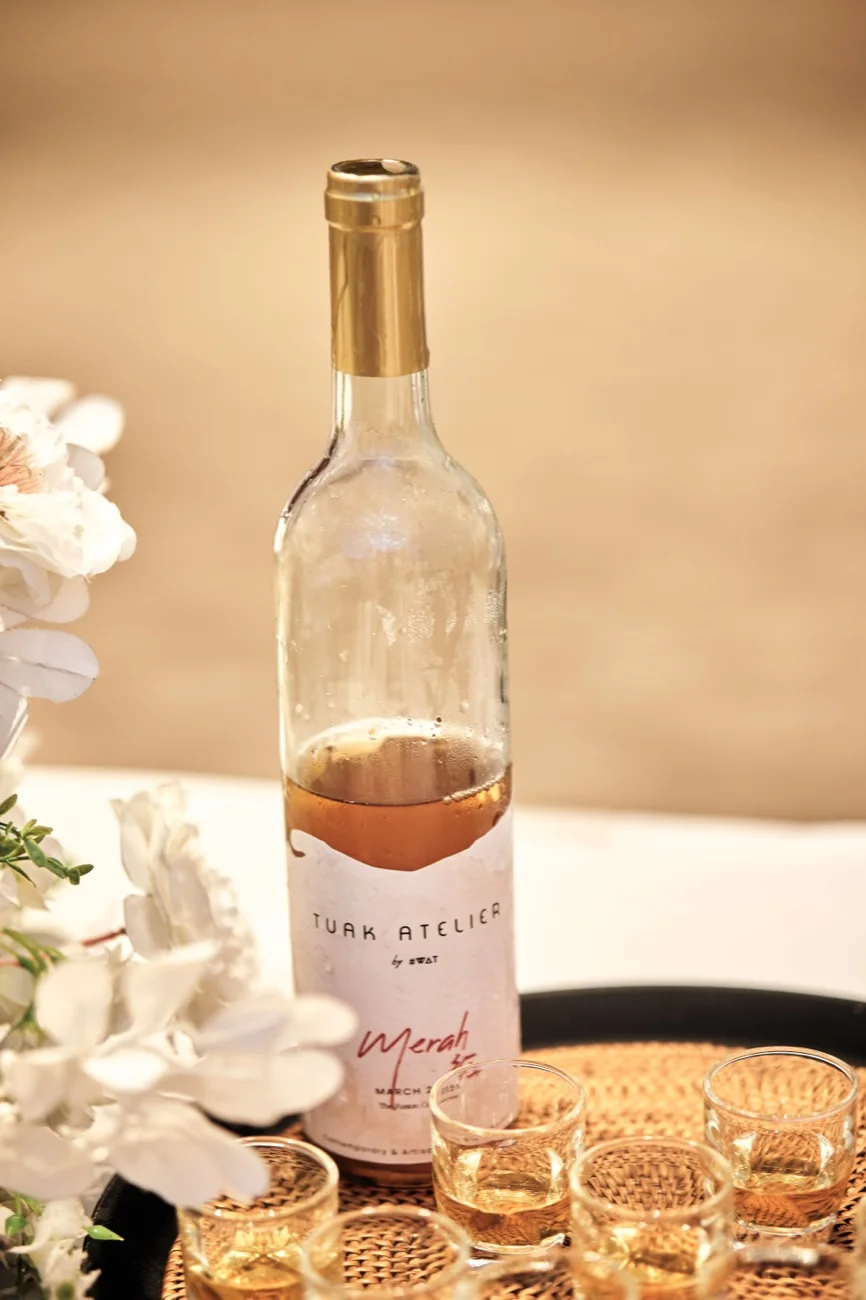
Tuak Merah — the Foochow–Dayak signature, a ruby red-yeast rice wine
Specimen No. 01 Tuak Merah · Foochow × Dayak

01 — The Craft

Rice. Ragi.
Ritual.

For generations, the Dayak peoples of Borneo have brewed tuak from glutinous rice and ragi — wild yeast carried by the land itself. It is the wine of the longhouse, of Gawai, of welcome and of thanks.

We honour that lineage while writing its next chapter — blending Dayak craft with the Foochow Chinese red-yeast technique of our founder’s heritage, to create expressions that are refined, vivid, and unmistakably Sarawakian.

The full story

  1. i.RiceGlutinous rice, steamed & cooled by hand.
  2. ii.RagiWild Bornean yeast folded through; the jar rests for weeks.
  3. iii.RitualFinished, dated & offered — a vintage, and a blessing.

02 — The Catalogue

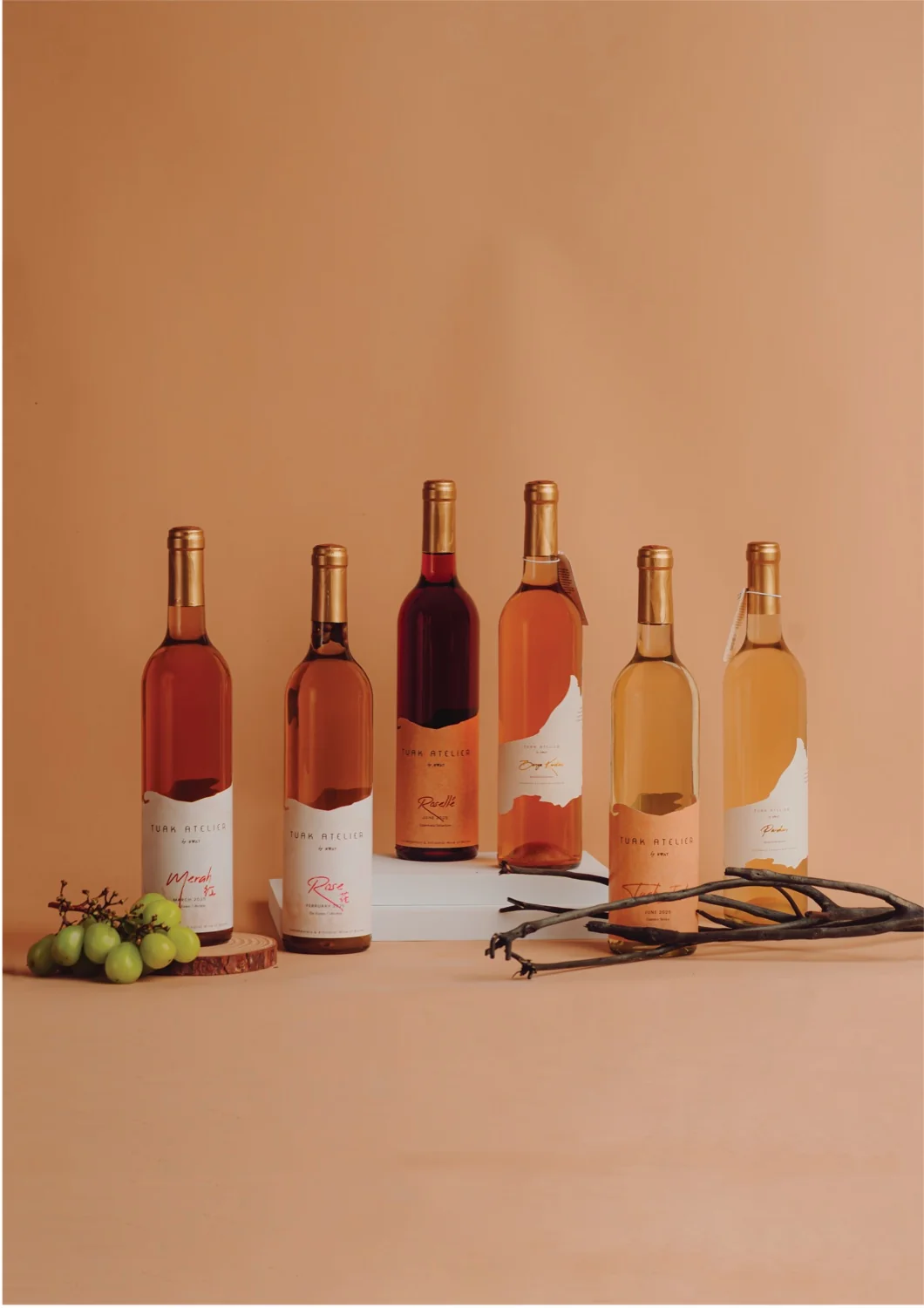
Four collections

View all
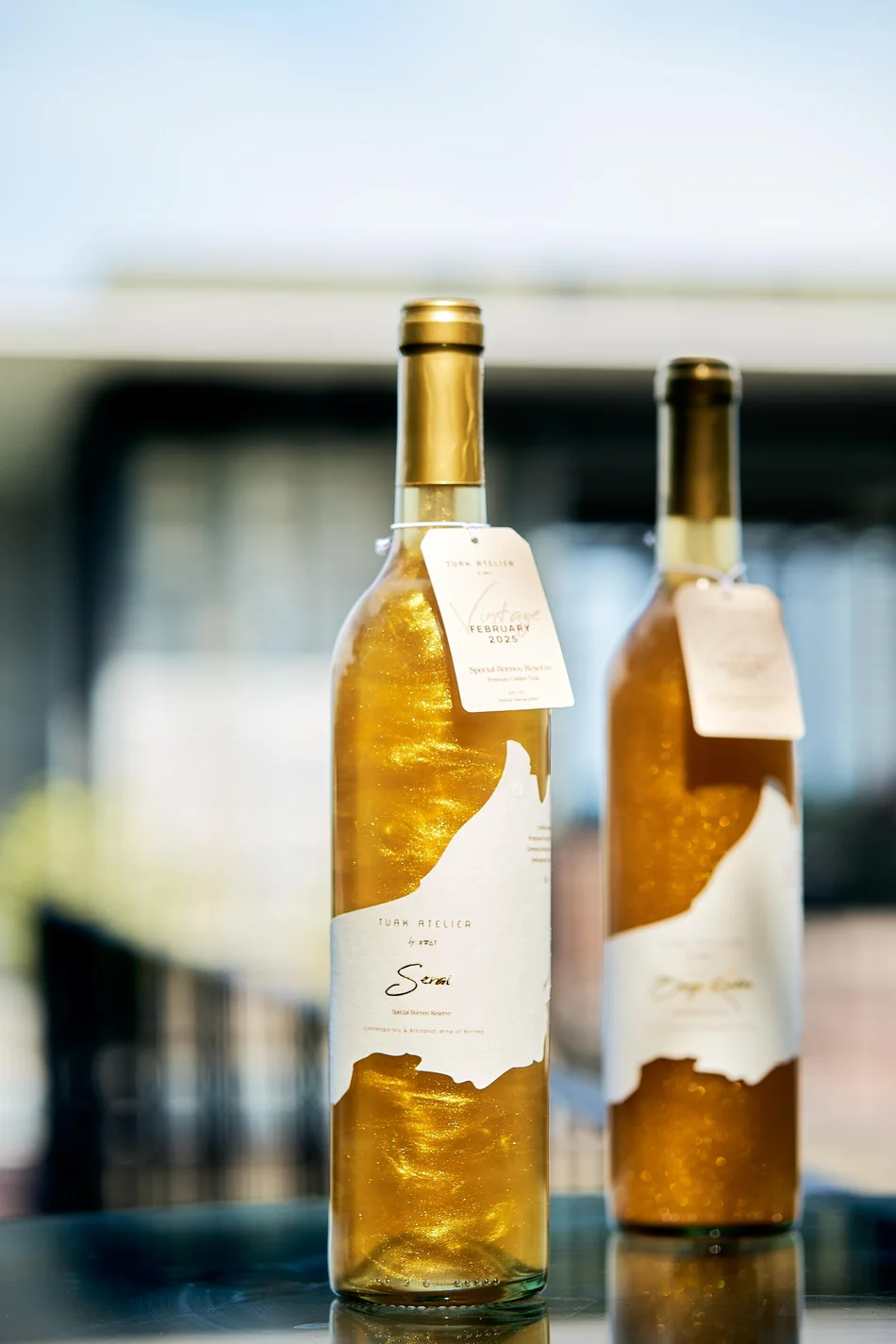
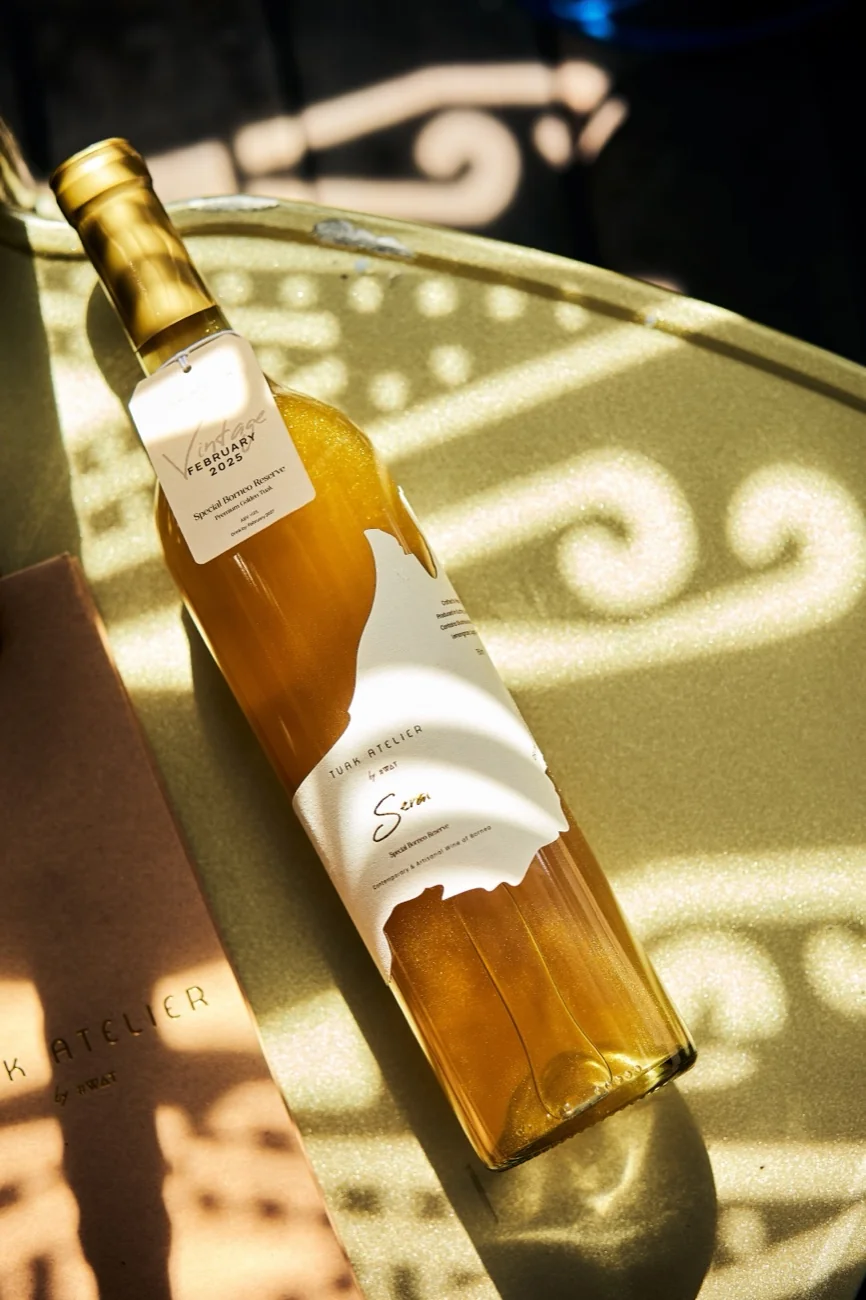
Golden Tuak Serai — 24K edible gold and sundried lemongrass tuak

03 — The Reserve

Spun with 24K gold.

Our Special Borneo Reserve is where craft becomes ceremony. Golden Tuak Serai suspends flecks of edible 24K gold in a sweet, herbal brew of sundried lemongrass — a bottle made to be gifted, and remembered.

Discover the Reserve

04 — Where to begin

The signatures

05 — Gifting

A gift with a
sense of place.

From custom miniature tuak for weddings to corporate sets and festive Gawai & CNY hampers — Bornean keepsakes your recipients will remember.

  • WeddingsPersonalised miniature favours & door gifts
  • CorporateBranded gift sets for clients & delegates
  • FestiveGawai, Chinese New Year & Mid-Autumn hampers
  • Keepsakes280ml & 100ml collectible bottles

06 — Good to know

What is tuak?

Tuak is the traditional rice wine of Borneo, fermented from glutinous rice, ragi (local yeast balls) and sugar. Brewed for centuries by the indigenous Dayak communities of Sarawak, it sits at the heart of celebration — most of all the Gawai harvest festival.

What is tuak?

Tuak is the traditional rice wine of Borneo, brewed for generations by the indigenous Dayak communities of Sarawak, Malaysia. It is fermented from glutinous rice, ragi (local yeast balls) and sugar, and is central to celebrations such as the Gawai harvest festival. Tuak Atelier crafts contemporary, small-batch tuak that honours this heritage while reimagining it for modern palates.

What is Tuak Atelier?

Tuak Atelier is a contemporary, artisanal tuak brand founded in Sarawak in 2020 by Evelyn Teo. Based in Kuching and Miri, it produces small-batch, vintaged tuak across four collections — blending Dayak brewing tradition with Foochow Chinese technique — and is known for premium, giftable expressions including a 24K-gold series.

How is tuak made?

Tuak is made by steaming glutinous rice, cooling it and mixing in ragi (yeast balls), then fermenting the mixture in jars for around two weeks before it is finished with sugar. At Tuak Atelier each batch is brewed by hand in small quantities, dated like a vintage, and may be infused with local fruits, botanicals or spices.

What does tuak taste like?

Traditional rice tuak is off-dry and refreshing with soft banana and floral notes, typically around 11–15% ABV. Flavours vary widely: Tuak Atelier's range spans crisp and fruity (pineapple, watermelon, passionfruit) to bold and savoury (Sarawak black pepper, Dayak eggplant) and rich, warming styles (red yeast, ginger, gula apong).

How is tuak different from sake or wine?

Like sake, tuak is fermented from rice, but it uses ragi — a wild mix of yeast and mould unique to Borneo — rather than koji, giving it its own character. Unlike grape wine, tuak is rice-based and often lightly sweet. It is best understood on its own terms: a distinct Bornean rice wine with deep cultural roots.

Read the full guide to tuak

As seen in

  • Tatler
  • Prestige
  • Augustman
  • Buro 247
  • Good Beer Hunting
  • Dayak Daily
  • SAYS
  • Borneo Post